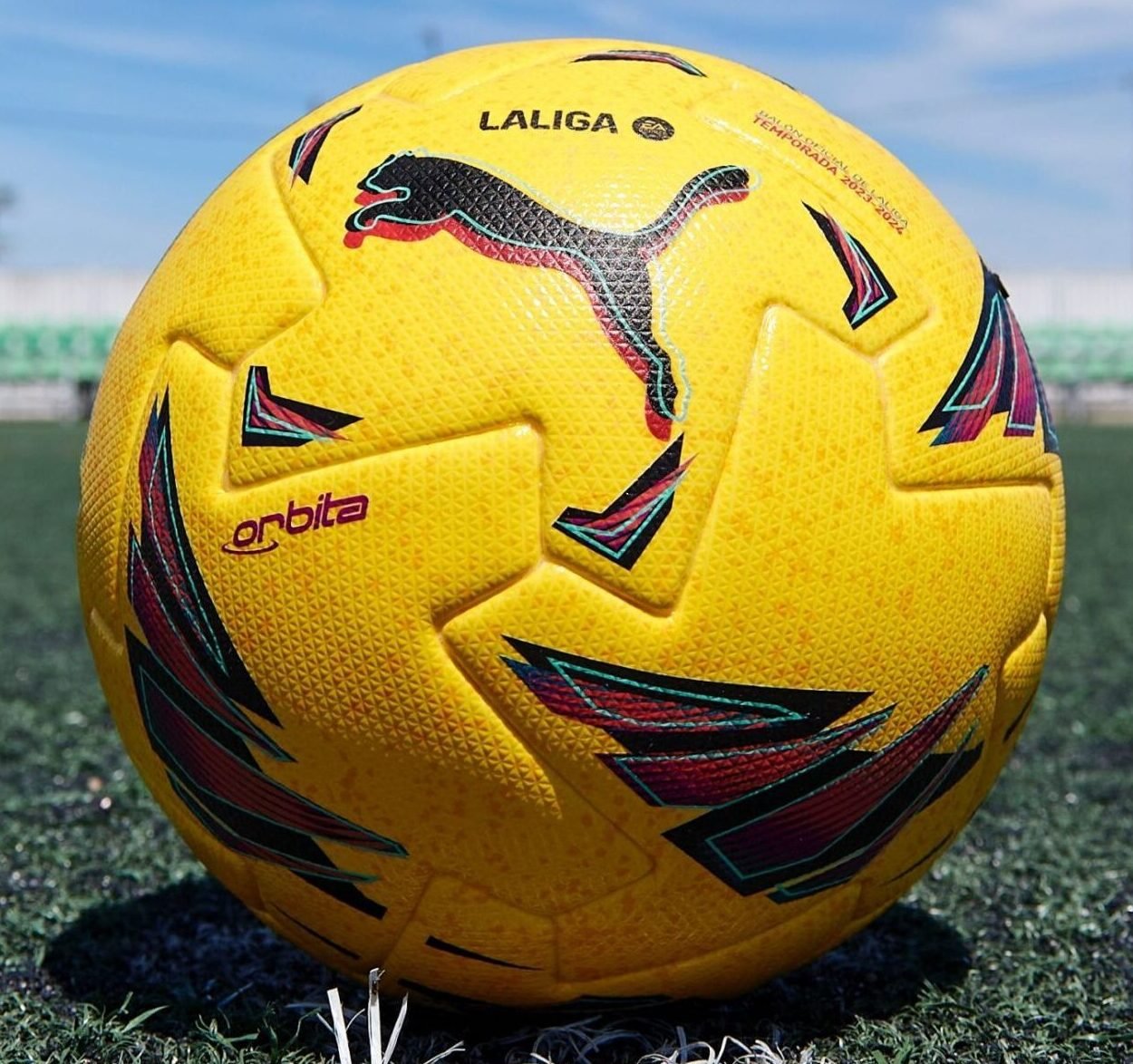

“Control, Margins, and Execution: Europe’s Elite Set the Tone”
The first legs of the UEFA Champions League quarter-finals delivered a consistent message across all four ties: at this stage, matches are not won through dominance alone, but through discipline, efficiency, and execution in key moments.
While none of the ties are decided, each matchup now carries a clear tactical identity heading into the second leg.
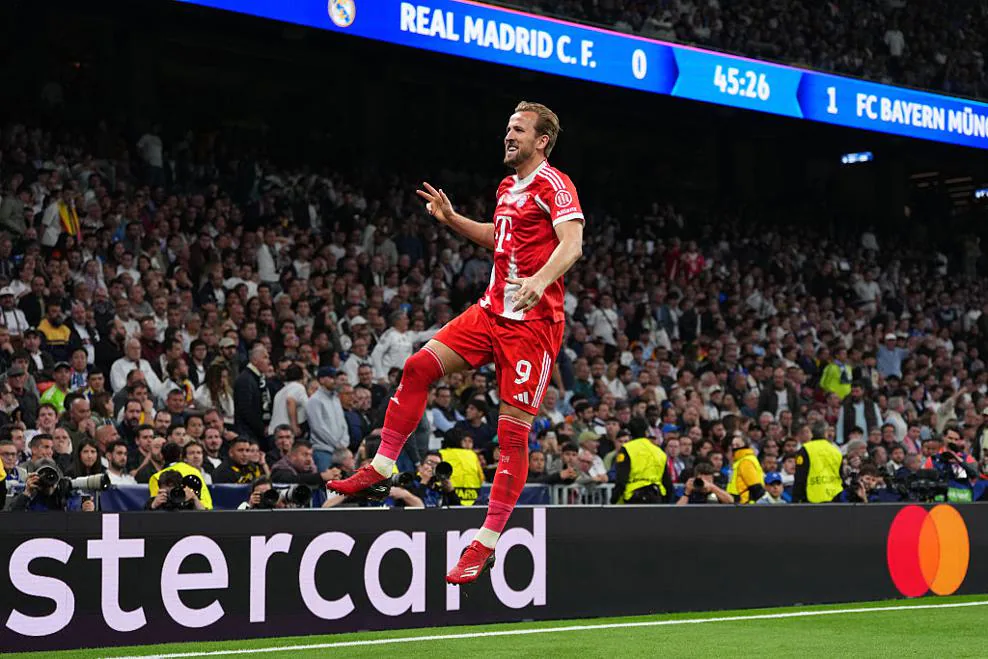
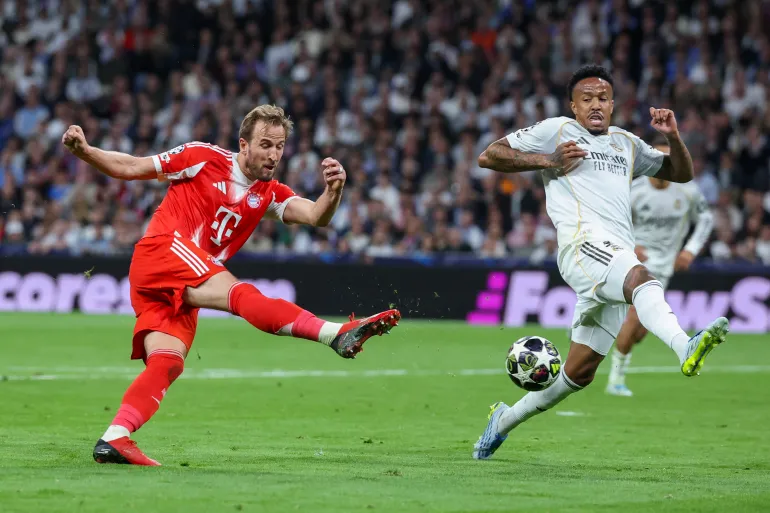
Real Madrid vs. Bayern Munich (Bayern leads 2-1)
One of the most storied rivalries in European football once again produced a tightly contested match defined by balance and discipline.
Real Madrid looked most dangerous in transition, using pace in wide areas, particularly through Vinícius Júnior to attack space behind Bayern’s defensive line. Bayern Munich, on the other hand, emphasized structured buildup, circulating possession and looking to create through sustained pressure and wide play.
Harry Kane remained the focal point of Bayern’s attack, dropping into space to link play while also providing a consistent goal threat as he scored a second goal of the match in his return.
Tactical Takeaway
The result reflects how evenly matched these teams are. With neither side able to fully impose control, the second leg is likely to be decided by small margins, particularly finishing efficiency and defensive concentration. As Madrid needs to play an perfect match to be able to beat Bayern in Allianz .
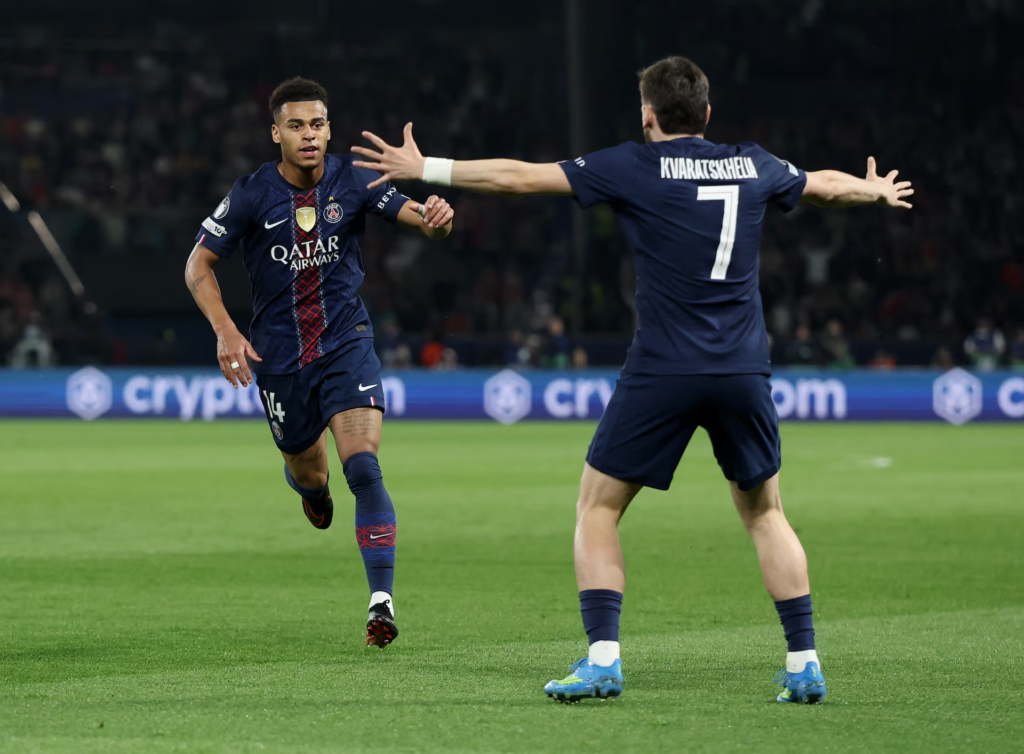
Paris Saint-Germain vs Liverpool. (Paris Leads 2-0)
Paris Saint-Germain delivered one of the most composed performances of the round, managing tempo effectively and limiting Liverpool’s ability to dictate the match through pressing.
PSG controlled possession for long stretches and remained structurally compact when out of possession, forcing Liverpool into less efficient attacking situations. The match shifted in PSG’s favor through their ability to capitalize on transitional moments and defensive lapses.
Ousmane Dembélé played a central role in stretching Liverpool’s defensive shape, consistently creating space in wide areas and contributing to PSG’s attacking progression.
Tactical Takeaway
PSG’s balance between control and efficiency gives them a clear advantage heading into the second leg. Liverpool will need to improve their effectiveness in the final third to overturn the deficit.
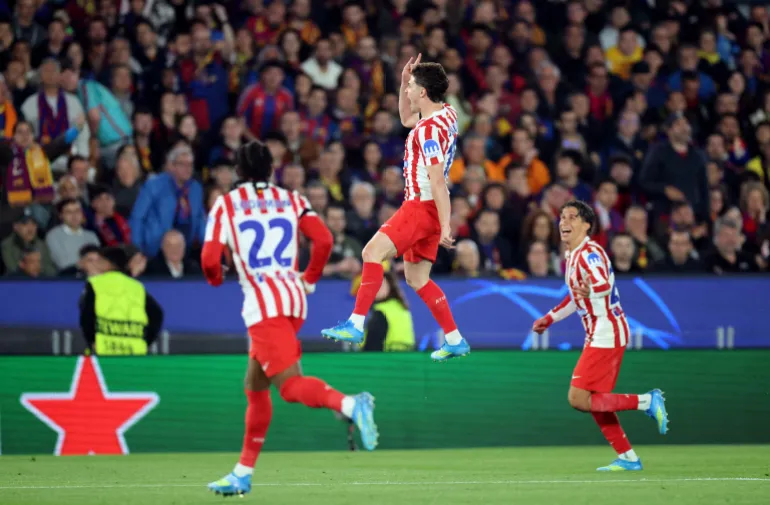
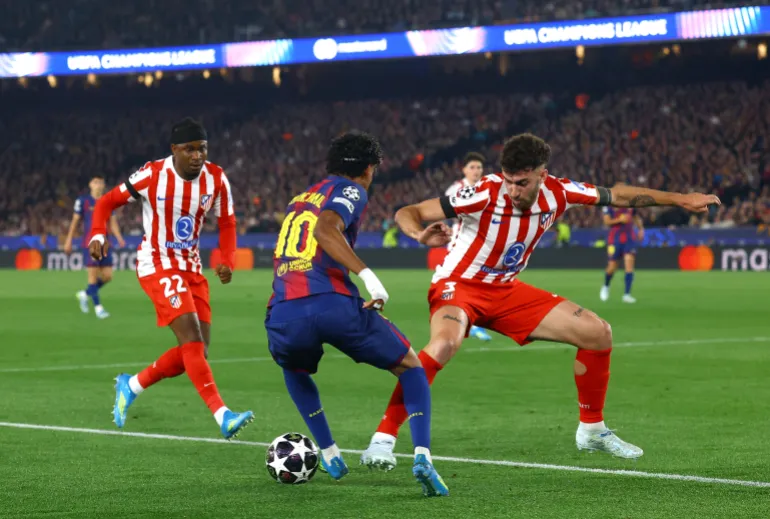
FC Barcelona vs Atletico Madrid (Athletico leads 2-0)
This all-Spanish matchup unfolded as a classic stylistic contrast. Barcelona controlled possession and tempo, while Atlético Madrid relied on defensive organization and counterattacking precision.
Barcelona circulated the ball effectively across midfield but struggled to consistently break down Atlético’s compact defensive structure. Atlético remained patient, absorbing pressure and waiting for opportunities to attack in transition, as both their goals came from their ability to counter-strike.
Antoine Griezmann was instrumental in linking those transition phases, providing both movement and decision-making in key attacking moments.
Tactical Takeaway
Atlético’s defensive discipline once again proved effective in a knockout setting. While the tie remains open, their ability to limit high-quality chances could be decisive over two legs.
Arsenal F.C. vs Sporting CP (Arsenal Leads 1-0)
Arsenal entered the tie as favorites and showed periods of control through structured possession and territorial dominance. However, Sporting CP demonstrated why they are one of the competition’s most dangerous sides, using direct attacking play and quick transitions to create opportunities.
The match featured alternating phases of control, with Arsenal dictating tempo for extended stretches, while Sporting remained threatening whenever space opened up.
Bukayo Saka was central to Arsenal’s attacking play, providing width and creativity, while Sporting’s forward movement consistently tested the defensive line.
Tactical Takeaway
Arsenal’s structure gives them a slight advantage, but Sporting’s attacking intent ensures the tie remains competitive heading into the second leg.
Round-Wide Tactical Themes
Across all four matches, several consistent patterns emerged:
- Defensive organization limited clear scoring chances
- Transition moments created the most dangerous opportunities
- Efficiency in key moments outweighed overall possession
Teams that combined structure with clinical execution gained early advantages, while those that struggled in the final third now face increased pressure.
Final Takeaways
The first legs did not determine the outcome of the ties. But they established the framework.
Each matchup now enters the second leg with defined tactical expectations and narrow margins. At this stage of the Champions League, progression is rarely about dominance. It is about capitalizing on moments. And after the first leg, those moments carry even greater weight.